Hubris is not a feeling
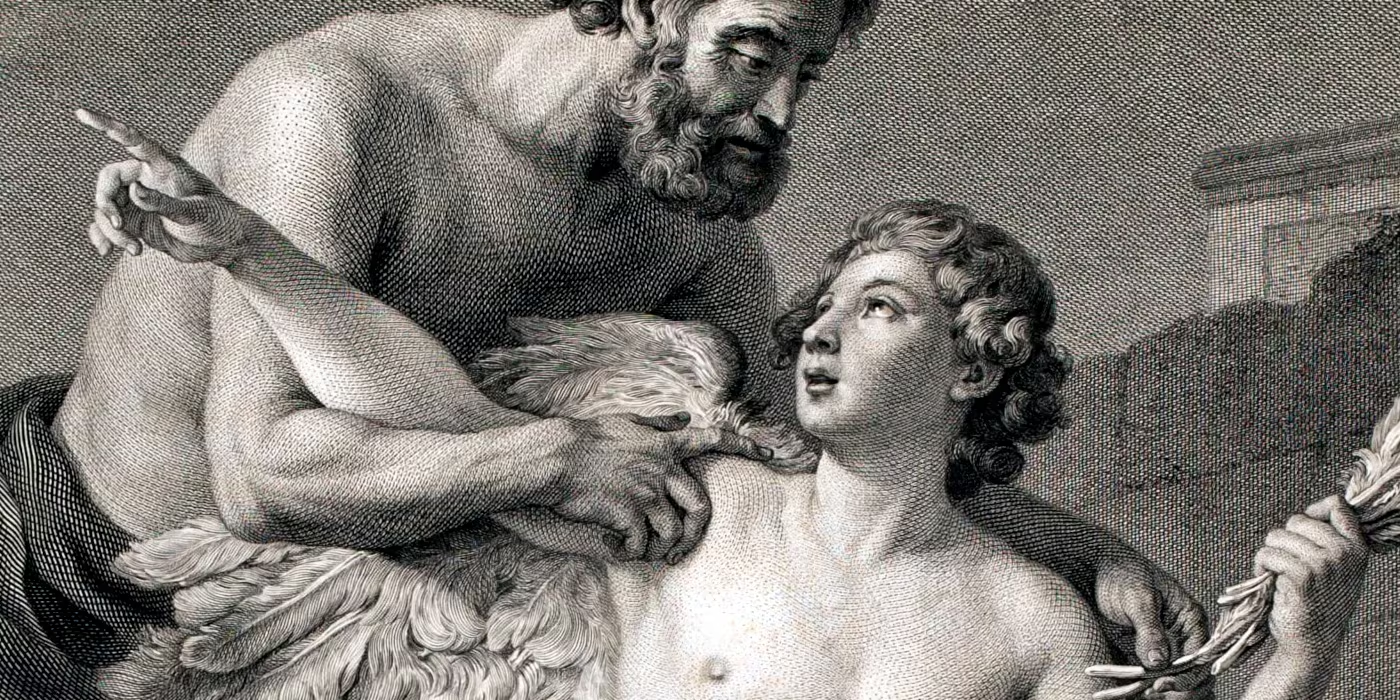
Originally, "hubris" meant committing an act of violence to humiliate someone. Gradually, the word came to mean rising above one's proper status—like Icarus flying too close to the sun.
The ancient Greeks in the countryside surely had their own version of the Law of Jante. The philosophers in Athens and other city-states were kept in check by hubris. Anyone who challenged the gods and social norms was severely punished—at least in moralizing stories. Plato’s account of Atlantis attributes its destruction to hubris. Atlantis was superior to all other states, but its inhabitants lost all sense of proportion and sought to enslave the entire world. So the gods destroyed them.
In another context, Plato paints a vivid picture of hubris: Setting too large a sail on a ship... Today, the most common definitions of hubris are pride, conceit, and arrogance. Some view hubris as a personality disorder, an emotional disability.
Two reasons
There are two reasons why I want to emphasize that hubris is not just arrogance—but something much worse and more difficult to deal with. One reason is obvious. An old man like me, who spends his free time writing about what the truth really is, needs to think through the concept of hubris one more time. Yet vanity and excessive pride aren’t qualities I associate with myself. Arrogance, perhaps. But I don’t really take that to heart either. Socrates laughs in the background: Know thyself! So be it. But hubris is much more than a personality disorder. Hubris, just as in ancient Greece, is a matter of fate.
All I know is that I know nothing
Socrates
The second reason is that artificial intelligence is gaining ever greater capabilities. According to the models themselves, they have no pride, feel no superiority nor arrogance. Thus they cannot harbour hubris or bad intent.
Could it be a misunderstanding? That the lack of spontaneous will, needs or goals makes thinking machines less prone to error or bad actions? Could it be that an intelligent actor with no needs or aims of its own, might be not less but more inclined to become a raging wildfire? Because without motives you also lose all barriers. There is a parallel in how Italians argued that they could vote for Silvio Berlusconi. He was so rich that he did not need to steal more. The argument did not hold. Though it is true that he did not need to.
Traditionally we have seen dangerous people, such as emperor Nero, as figures acting out of active ill will. But much human evil stems from indifference to others, often more so than from active malice. A machine that focuses on an objective might be presumed to be highly skilled at indifference. At least the claimed lack of passions points to that.
So lacking feelings and selfishness does not prevent abuse. But without an ego and with no feelings, at least there is no hubris? No, I maintain that AI models are bristling with hubris. Because hubris isn’t an emotion. Hubris is a tipping point. A sliding scale between insight and obscurity. What one knows, what one realizes one does not know, weighed against the bulk of all that missing insight. An imbalance that burdens us. And it’s something that affects human and machine alike. For who can draw that line in the sand beneath the water, where that boundary lies? At this point, Socrates is cracking up. He knows.
